Learn your way
A peer-supported Saturday learning model that helps schools improve academic outcomes, confidence and engagement — particularly for disadvantaged and less engaged learners. .
What is D6?
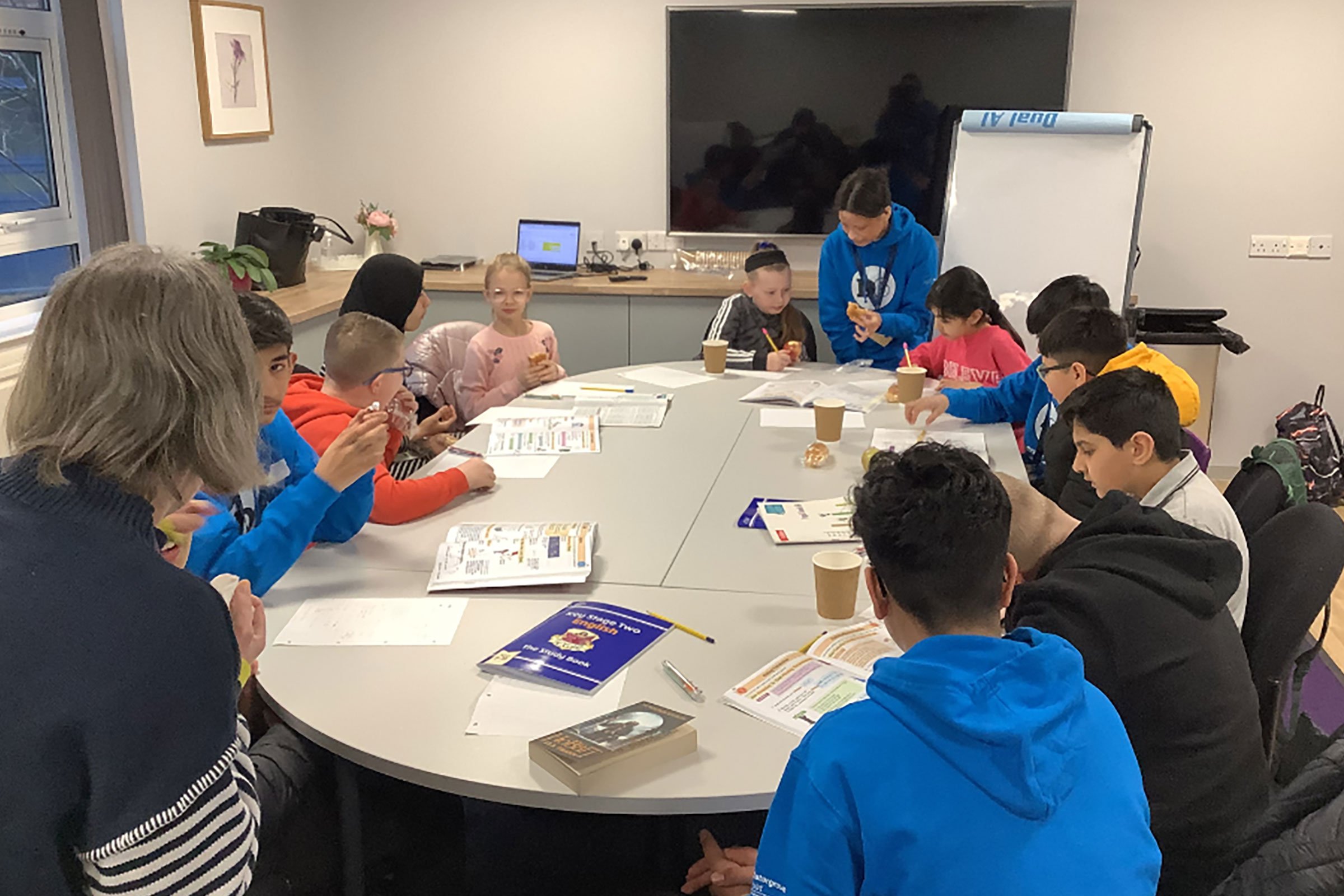
On Saturday mornings, schools open their doors. Learners choose to come.
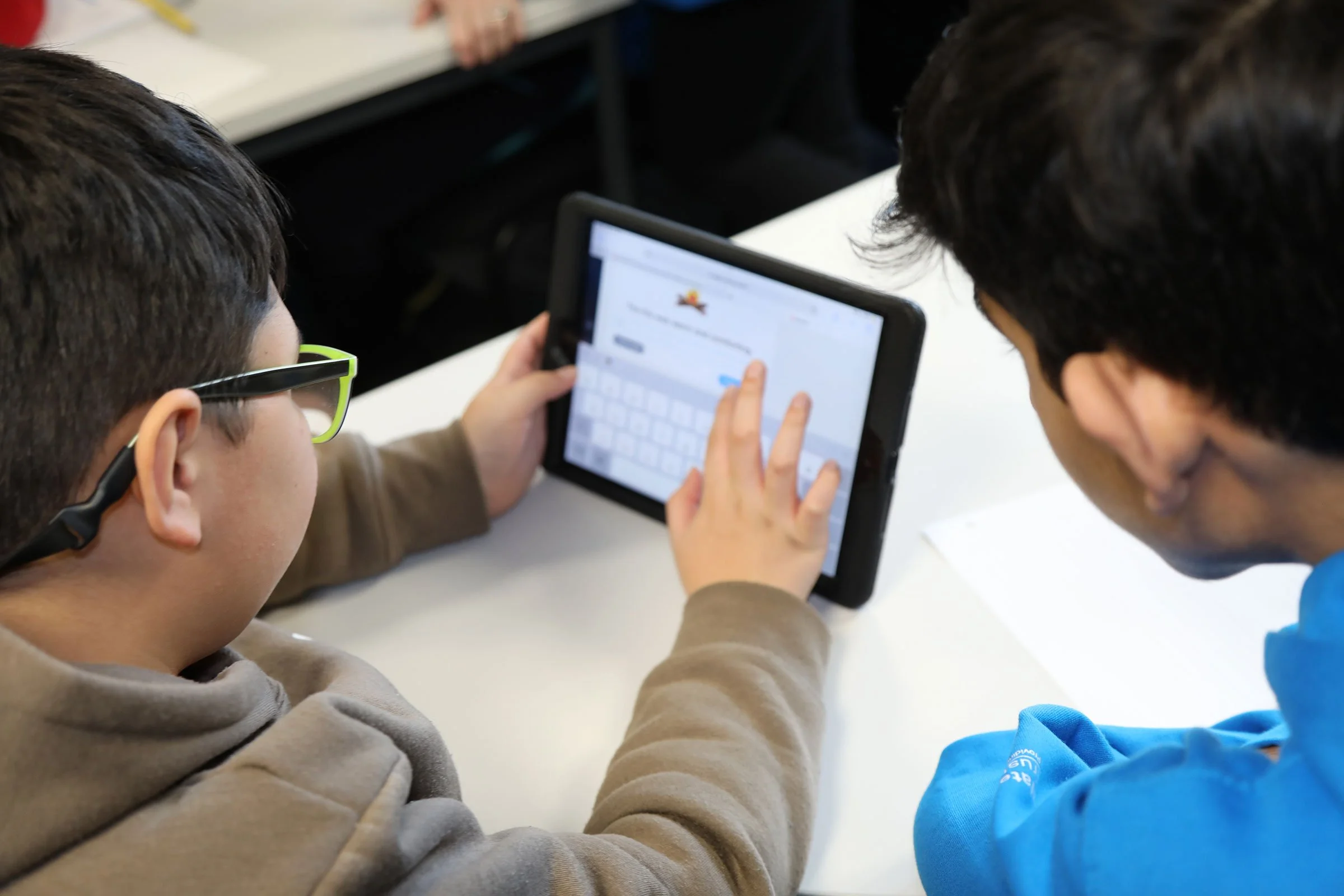
Older students — sixth-formers or Year 9 pupils — act as academic coaches. There are no lessons, no timetables, no compulsory anything. Learners bring what they want help with. Coaches support, encourage and challenge.
Breakfast is there. The atmosphere is calm. It feels different from the school week — and that difference matters.
It works. Secondary D6 students on average make a half to a full grade better across all subjects, with disproportionate benefits for disadvantaged learners. Primary students report similar gains, as well as better transition to secondary. Attendance also improves.
"Our daughter has grown in confidence. Not only has she made progress academically, but she is now looking forward to going to high school."
D6 Key Points Summary
-
Helping more young people thrive academically
D6 improves academic outcomes by creating environments where disadvantaged and less engaged learners feel more motivated and connected to learning.
Key themes
Improved attainment and progress
Academic confidence
Higher participation in learning
High expectations with high support
Particularly strong impact for disadvantaged and less engaged learners
-
Reconnecting young people with learning
D6 helps learners strengthen confidence, agency, aspiration and belonging through peer-supported learning communities that feel motivating, relational and purposeful.
Key themes
Learner confidence
Aspiration and motivation
Belonging and participation
Learner agency
Positive attitudes to learning
-
Young people supporting young people to succeed with agency
Older learners mentor and support younger learners, helping create positive peer culture, aspiration and leadership across the school community.
Key themes
Peer mentoring
Leadership development
Role modelling
Positive learner culture
Responsibility and aspiration
-
Works for everyone, particularly impactful for disadvantaged and less engaged learners
D6 supports a wide range of learners, particularly disadvantaged and less engaged learners, as well as those who may not fully thrive through traditional Monday–Friday approaches alone.
Key themes
Disadvantage
Inclusion
Re-engagement
Participation
Transition and belonging
-
High impact without involving teachers
D6 is highly cost-effective, makes strong use of Pupil Premium and inclusion funding, and does not rely on already overstretched teachers.
Key themes
Strong value for money
PP and inclusion funding
Sustainable staffing model
Scalable implementation
Practical for schools
-
Simple to implement — but built on strong culture and relationships
D6 is scalable across diverse contexts, but strong outcomes depend on preserving the key ingredients that underpin impact.
Key themes
Scalable model
Culture matters
Relationships matter
Avoiding “lethal mutations”
School-led implementation
Interested in finding out more?
We would be glad to talk. Initial conversations are informal, with no expectation that schools commit to anything.
D6 is developed by Watergrove Trust and is open to schools and trusts across a range of contexts.