Why D6 Matters
The attainment gap between disadvantaged pupils and their peers remains one of the biggest challenges facing England's education system.
The Challenge
The disadvantage gap remains one of the biggest unresolved challenges in English education. Despite the sustained efforts of schools, trusts and national policy, too many young people still experience worse outcomes because of their background, family circumstances, attendance, SEND, prior attainment or wider barriers to learning.
Recent EEF/EPI research shows that almost half of the GCSE disadvantage gap is already present by age 11, while absence becomes a progressively larger factor as pupils move through school. This matters because the young people most likely to need additional support are often the same young people least likely to be fully engaged in school.
D6 starts from this reality.

Do we need a different approach?
Schools are already doing an extraordinary amount. Teachers and leaders have responded to rising need with a focus on adaptive teaching, attendance initiatives, behaviour strategies, pastoral support and targeted interventions.
Many of these approaches are valuable. But too often they depend on asking teachers and staff to do more, in a system where capacity is already stretched. The challenge is not that schools lack commitment. The challenge is that the same model — more adult-led support, delivered by already busy staff — is unlikely to be enough on its own.
We’ve reached the limits of improving outcomes by continually adding more teacher-led interventions. Perhaps it’s time to rethink who drives learning.
"Schools cannot solve today’s challenges by simply doing more of the same"
The Power of Learner Agency
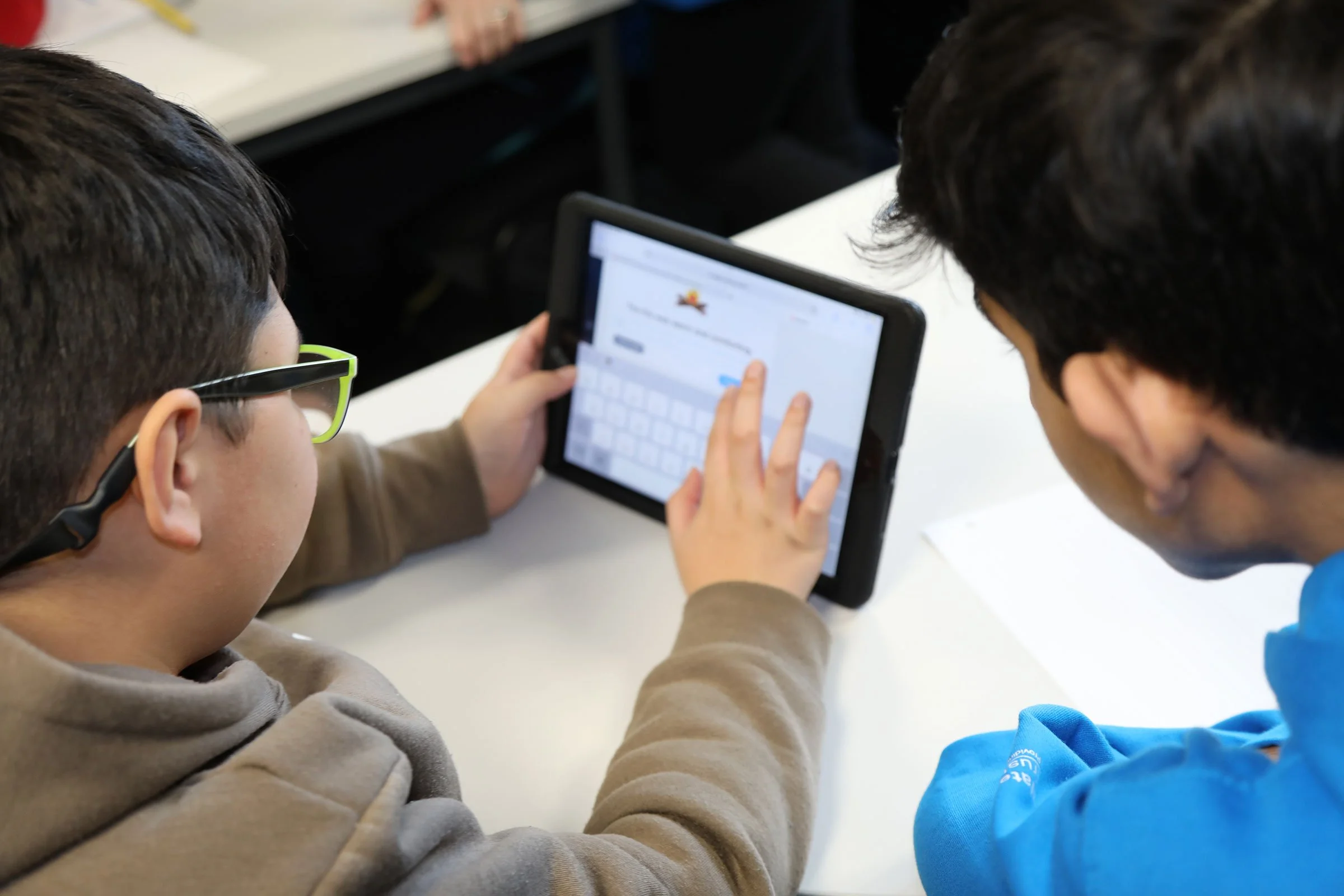
D6 is built around a simple but powerful idea: learning changes when young people become active participants, not passive recipients.
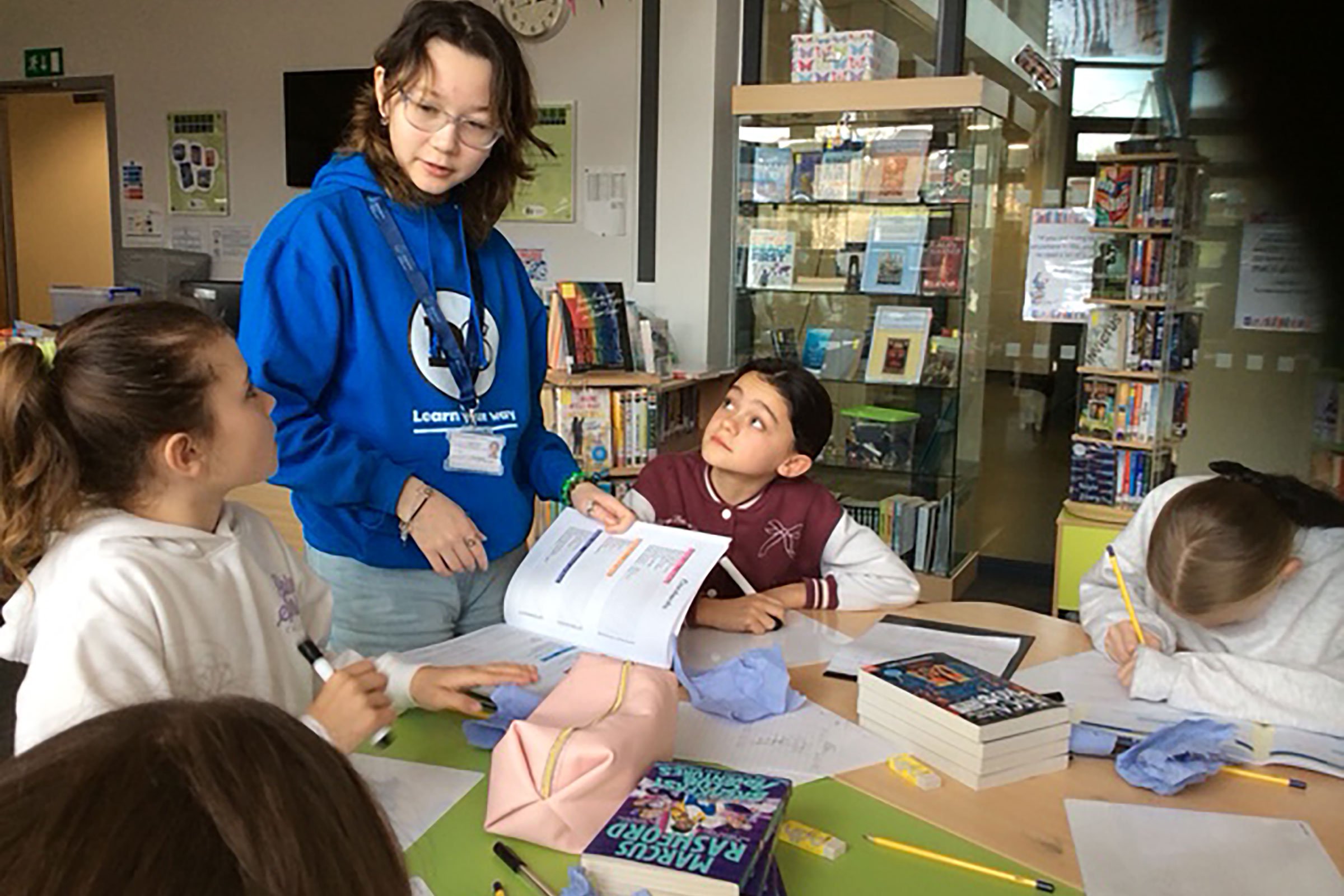
In D6, learners choose to attend. They bring the work they want help with. Older pupils become academic coaches. Younger pupils receive encouragement, explanation and challenge from peers who feel close enough to understand them but far enough ahead to inspire them.
This matters because motivation, belonging and confidence are not “soft extras”. They shape whether pupils attend, engage, persist and succeed. D6 creates a different learning environment — calmer, more relational, more voluntary and more learner-led — while still keeping academic progress firmly at the centre.
"The biggest untapped resource in schools is the students themselves"
Designed for disadvantage. Powerful for everyone.
D6 was developed to improve outcomes for disadvantaged and less engaged learners. But its benefits are wider than that.
Primary pupils gain confidence and support before transition. Secondary pupils improve academic outcomes and develop stronger study habits. Older pupils build leadership, communication and coaching skills. Schools strengthen relationships across phases and create a visible culture of learners helping learners.
That is why D6 is both targeted and universal. It is designed with disadvantage in mind, but it creates conditions that benefit every learner: agency, belonging, confidence, academic support and opportunity.
It improves outcomes for all learners, but disproportionately so for disadvantaged and lower prior attaining learners.
"Secondary D6 learners on average get a half to a full grade higher across all subjects. Primary D6 learners alsomake significant gains. Disadvantaged students benefit disproportionately"
Interested in finding out more?
We would be glad to talk. Initial conversations are informal, with no expectation that schools commit to anything.
D6 is developed by Watergrove Trust and is open to schools and trusts across a range of contexts.