Secondary D6
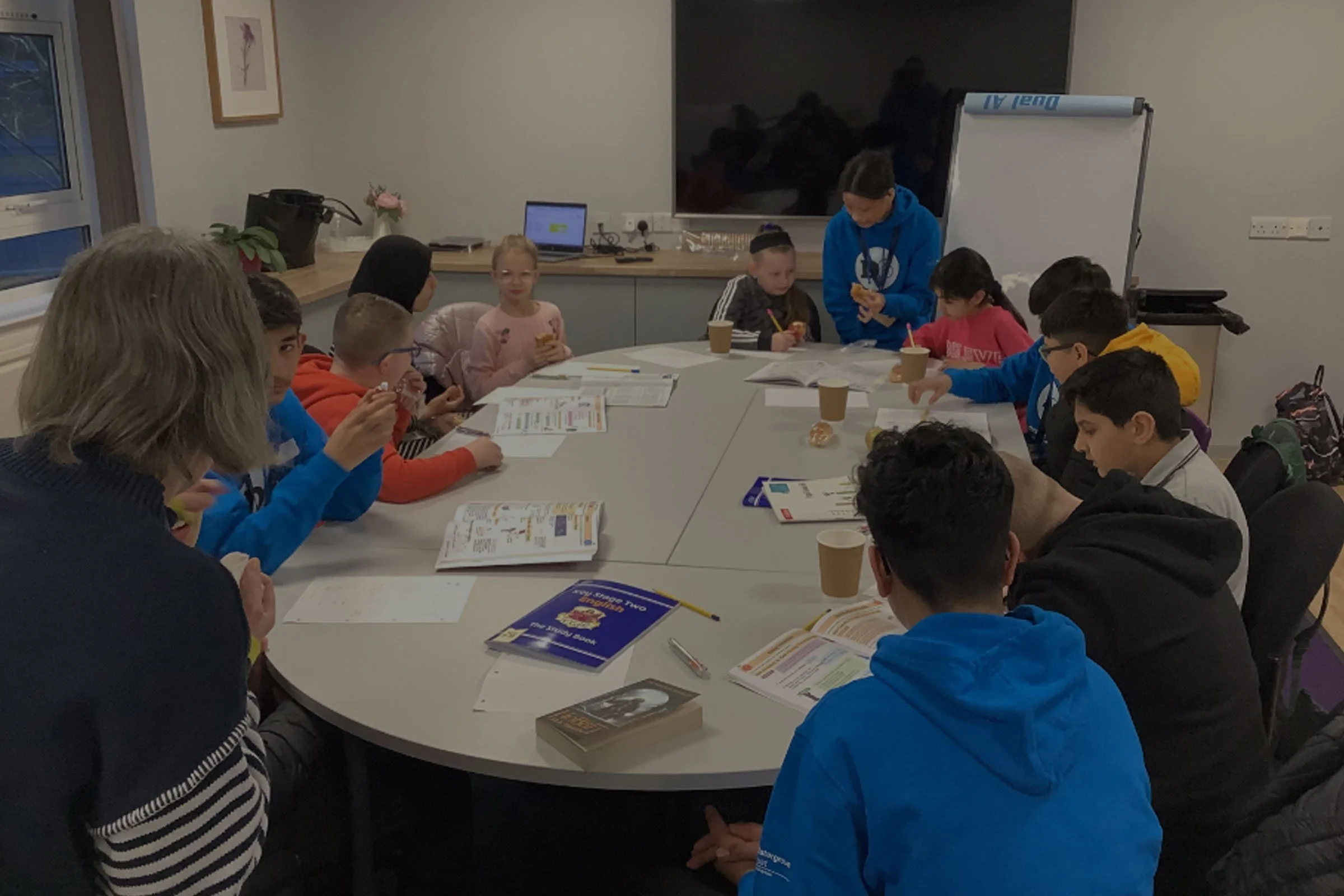
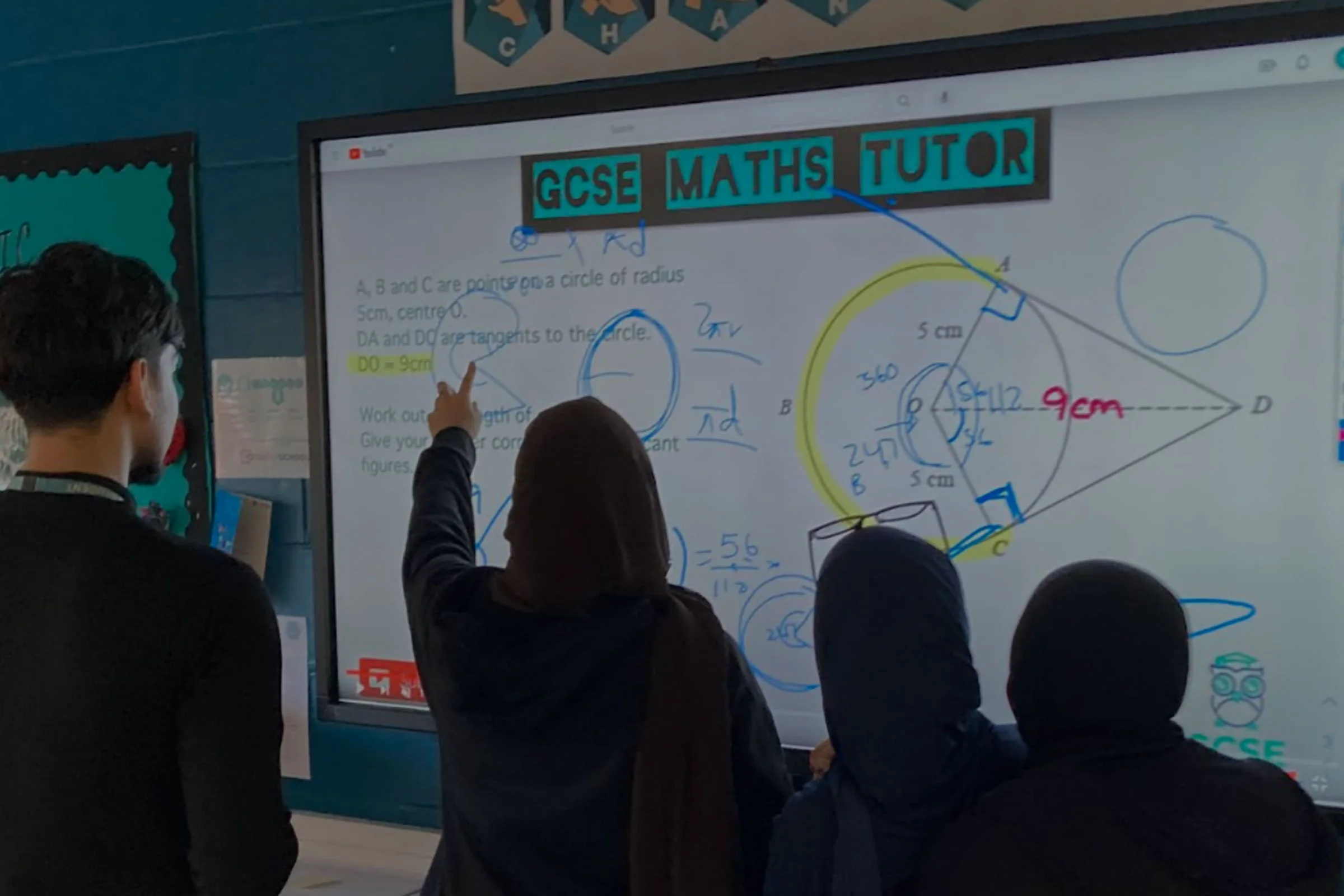
Secondary D6 takes place on Saturday mornings. Learners are invited, not compelled. They bring whatever they want support with — a topic they are finding difficult, an essay they want to improve, revision they want to do with others nearby.
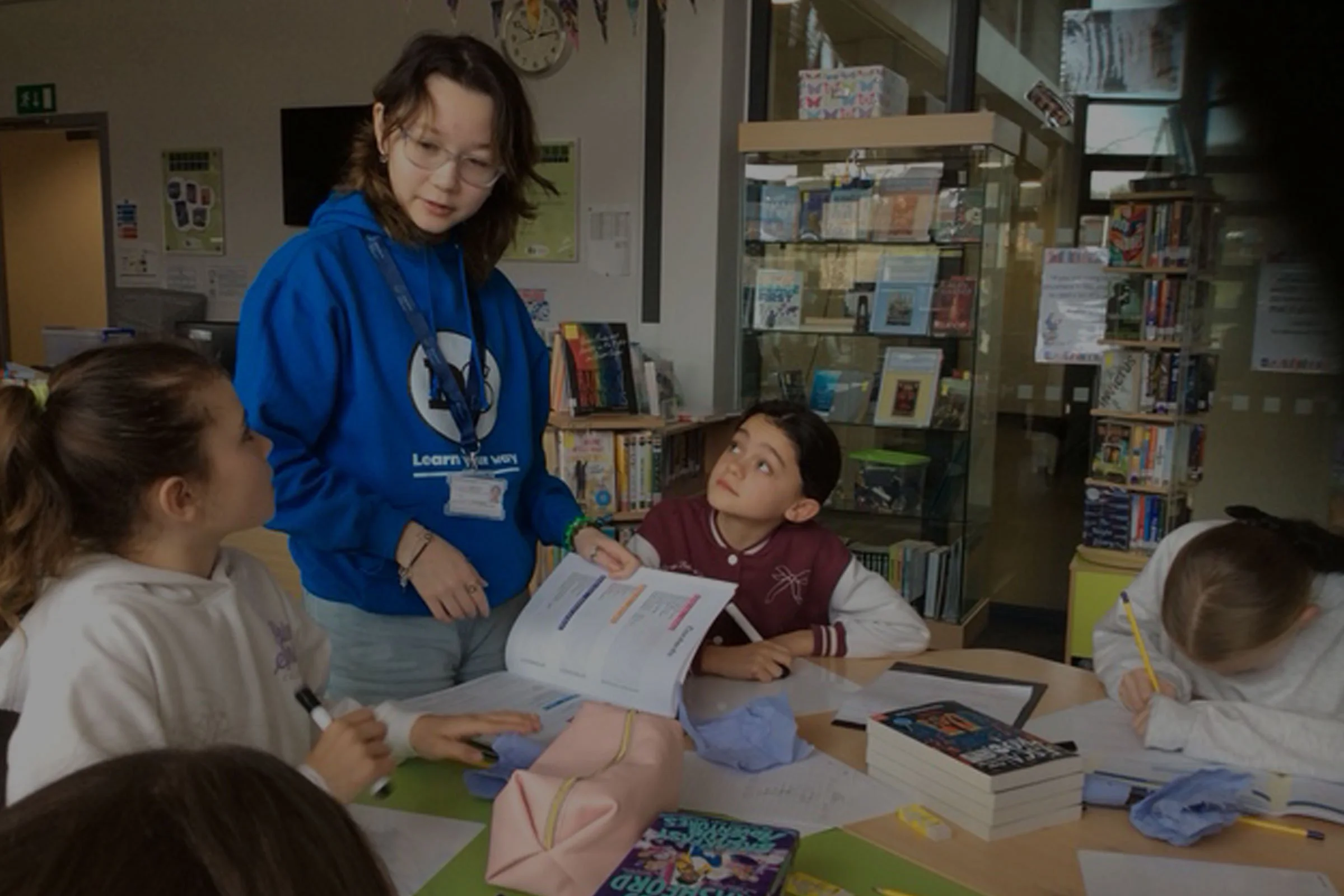
Sixth-form students are employed as academic coaches. They are not teaching. Their role is to sit alongside, explain, encourage and challenge — person to person, not teacher to class.
Breakfast and refreshments are available. There is no uniform. The atmosphere is deliberately different from the school week: calm, purposeful, relational.
Primary D6
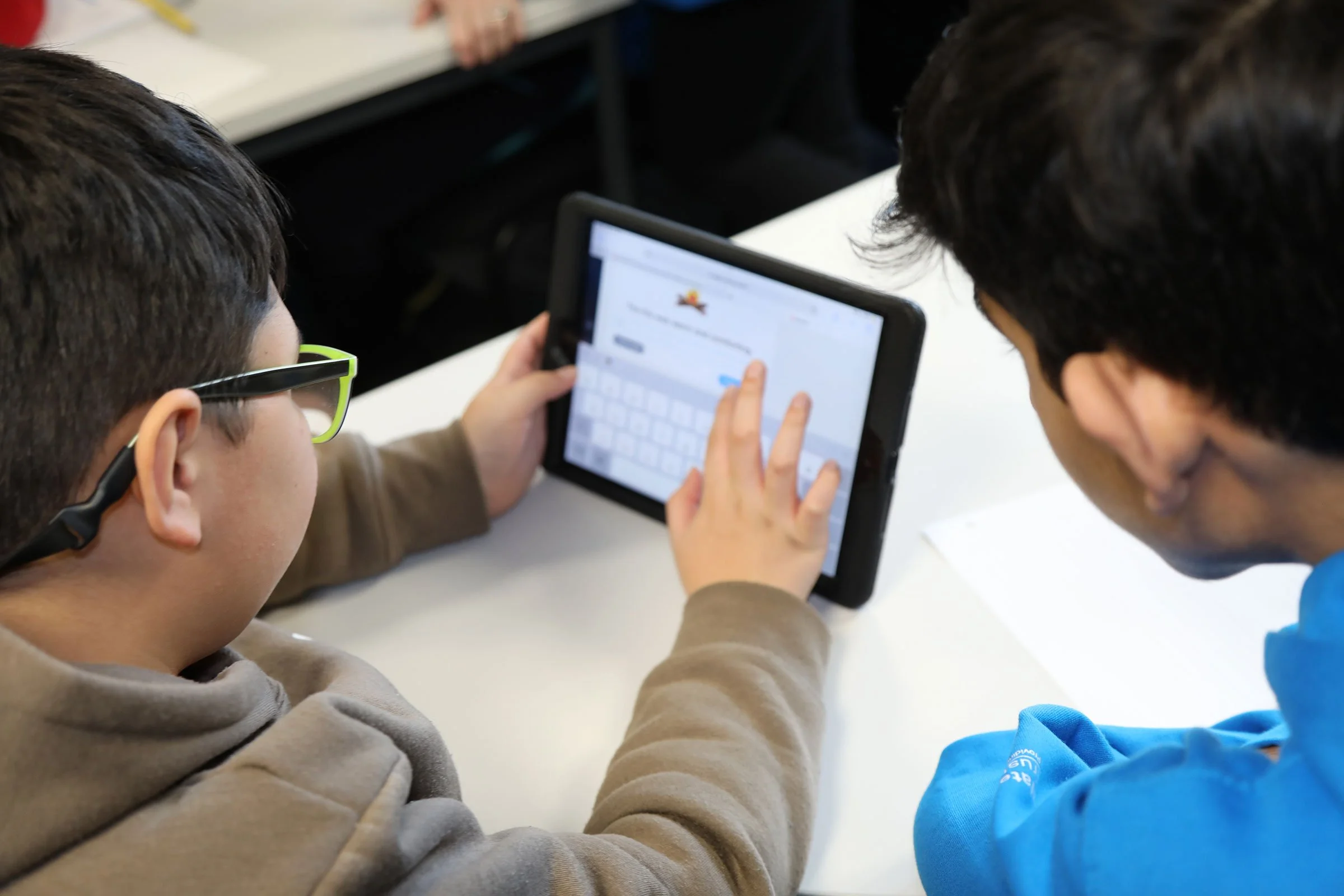
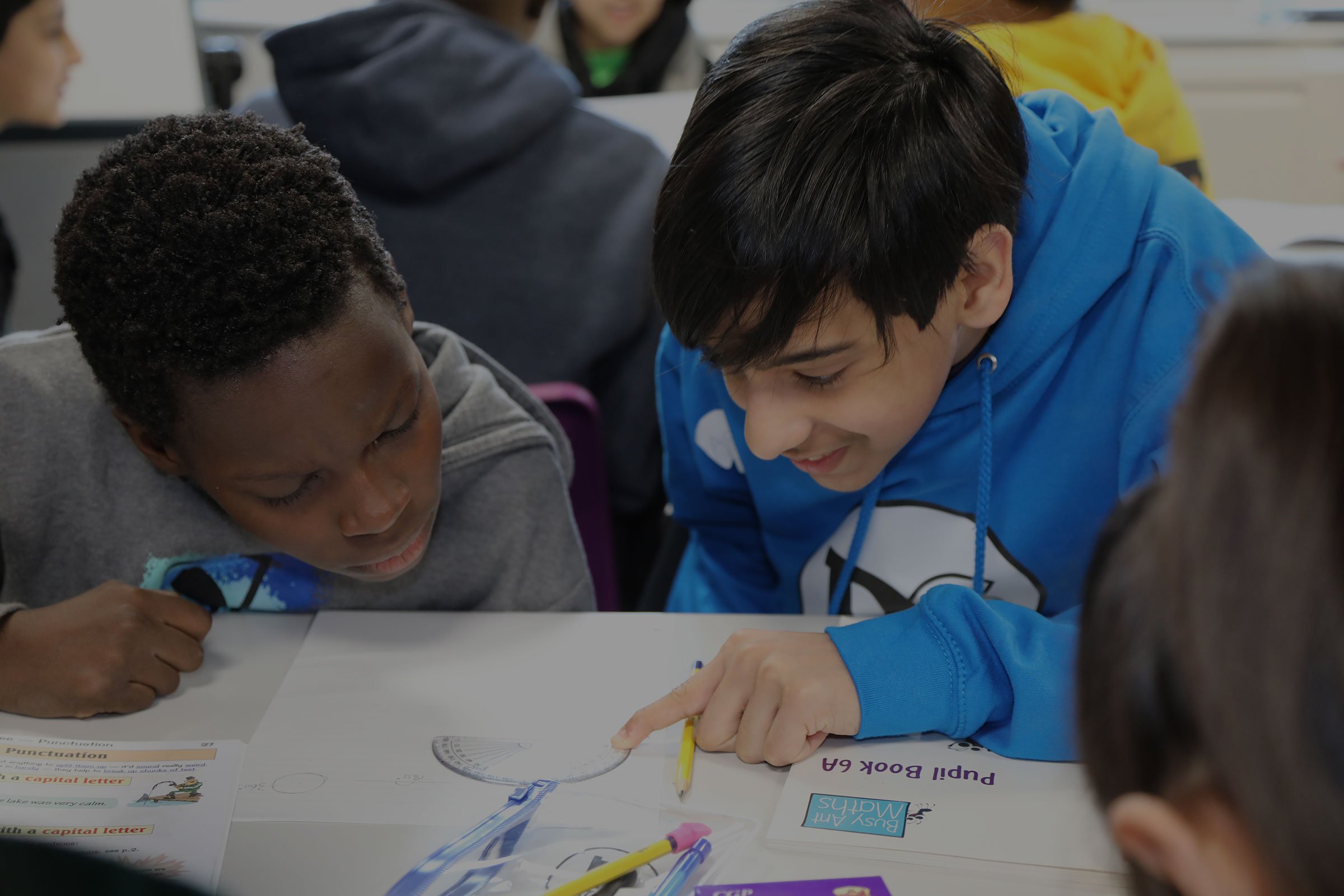
Primary D6 is designed for Year 5 and Year 6 pupils. Sessions typically take place in partnership with a local secondary school — giving younger children the chance to spend time in a secondary environment before they have to move there permanently.
Year 9 students act as academic coaches, supporting primary pupils with subject knowledge, confidence and basic study skills. The age gap works in everyone's favour: Year 9 students are close enough to primary school to remember it clearly, and old enough to be genuinely inspiring.
The role of academic coaches
Academic coaches are the heart of D6. They are not teachers and they are not expected to teach. Their role is different — and in some ways more demanding.
A good academic coach knows when to explain and when to ask a question. They know how to sit with a learner who is struggling without taking over. They make learning feel possible, not intimidating.
Coaches are employed — paid a small amount for their time — and receive training and support. This matters: it signals that their contribution is valued, not assumed.
The benefits run both ways. Coaches develop communication skills, confidence, leadership and a stronger understanding of their own subjects. Many describe their D6 experience as one of the most valuable things they have done at school.
"Academic coaches are the heart of D6. They are not teachers and they are not expected to teach. A good academic coach knows when to explain and when to ask a question."
FAQs
-
No. This is central to how D6 is designed. Sessions are staffed by student academic coaches, not teachers. A member of staff is present for safeguarding and oversight purposes, but their role is light-touch.
-
No. Learners are invited, not required. The voluntary nature of D6 is one of the things that makes it work.
-
No. Academic support is important, but D6 is built around relationships, peer coaching, learner agency and a deliberately different environment. Tutoring is transactional. D6 is relational.
-
In secondary schools: sixth-form students. In Primary D6: Year 9 students. Coaches are employed, trained and supported — they are not volunteers filling a gap.
-
This varies between schools. Sessions typically run regularly throughout the academic year. Schools adapt the frequency to their own context and capacity.
-
Yes — and it is one of the most powerful dimensions of D6. The Primary D6 model depends on this partnership. Where it is strong, the benefits run in both directions.
-
No. D6 is open to all learners and works for many. The evidence suggests particularly strong benefits for disadvantaged and less engaged young people, which makes it a strong use of Pupil Premium funding. But D6 is not targeted — it is inclusive.
-
Technically, yes. In practice, schools find implementation stronger when they are connected to the wider network. Learning Groups and Implementation Groups exist precisely to ensure schools do not have to work this out alone. See Network & Support.
Interested in finding out more?
We would be glad to talk. Initial conversations are informal, with no expectation that schools commit to anything.
D6 is developed by Watergrove Trust and is open to schools and trusts across a range of contexts.