About D6
The biggest untapped resource in schools is the students themselves.
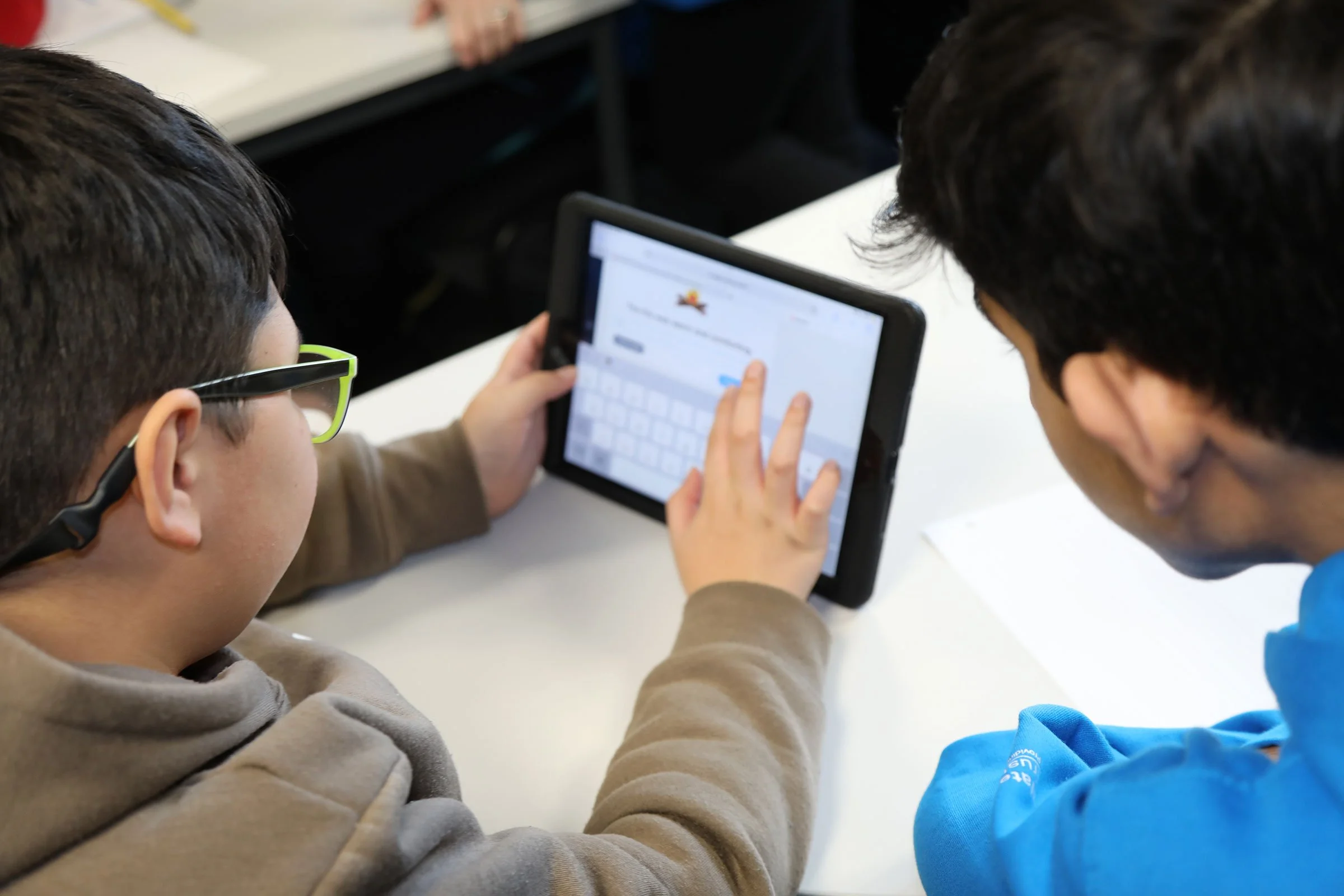
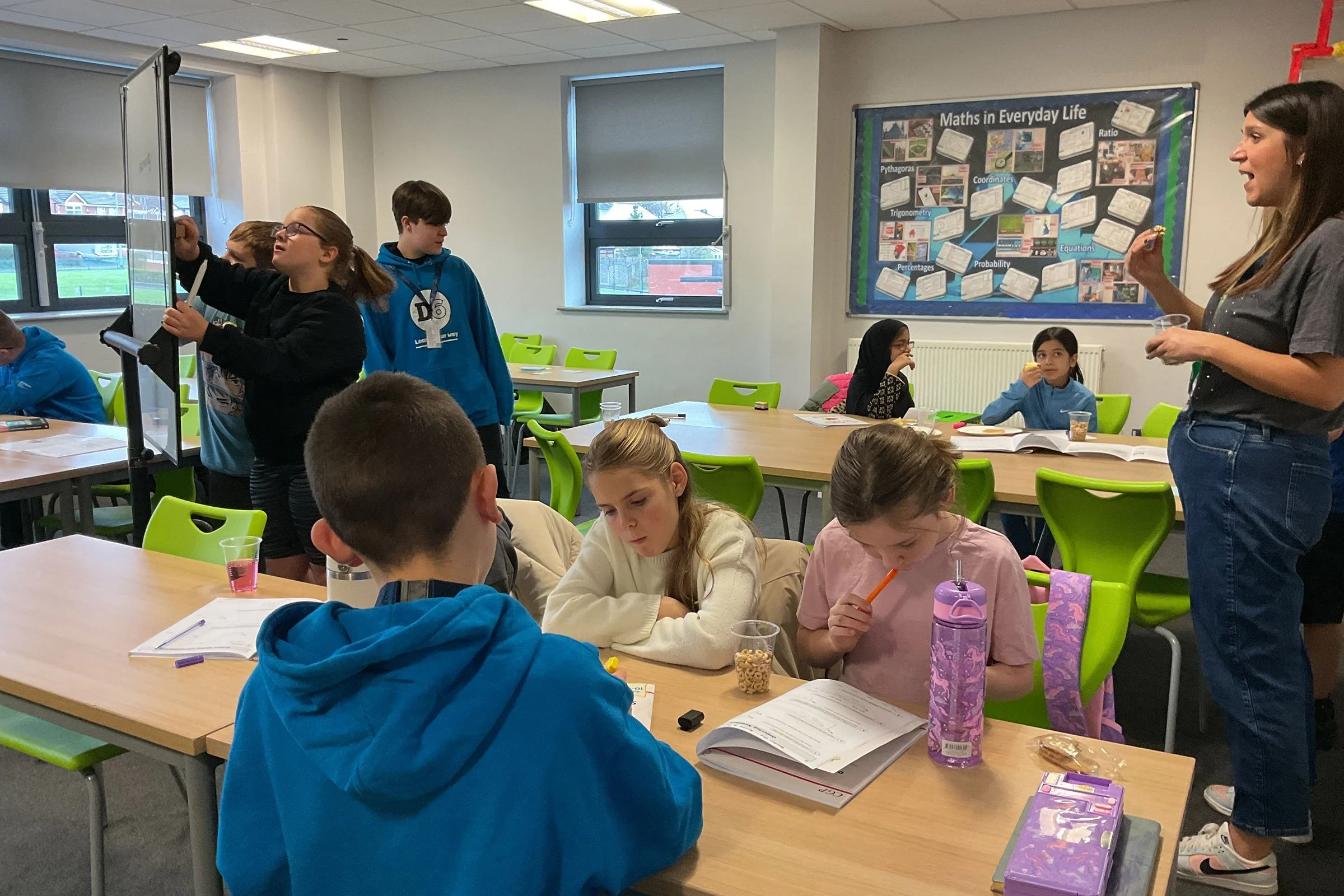
D6 — Day 6 — is a peer-supported Saturday learning model. Schools open on Saturday mornings. Learners choose to attend. Older students work as academic coaches. There are no lessons, no formal timetable, no pressure.
The result is an environment where young people can learn at their own pace, with support from peers who understand what they are going through — because they went through it themselves, not long ago.
D6 was developed by Watergrove Trust and first established at Matthew Moss High School in Rochdale. Over more than a decade it has evolved into a model that schools in a range of contexts can adopt and adapt while preserving what makes it work.
What is D6?
Why was D6 created?
D6 began with a challenge familiar to many school leaders: how do you improve outcomes without simply adding pressure? How do you widen opportunity without adding to workload? How do you use what you already have more effectively?
The answer that emerged at Matthew Moss was not more intervention, but different conditions for learning. A sixth day. A different atmosphere. Young people in charge of their own learning, supported by peers rather than directed by teachers.
It worked. And it has kept working.
"How do you improve outcomes without simply adding pressure and workload on teachers?"
What D6 is built on
-

High expectations and high support
Challenge and encouragement go together.
-

Learner agency
Young people choose, decide and take ownership.
-

Peer coaching
Learning is social; peers have a unique role.
-

Belonging and relationships
Culture underpins outcomes.
-

Inclusion and participation
Every learner can benefit.
-

School ownership
Schools adapt D6, they do not just implement it.
-

Harnesses available latent and untapped assets
Uses what’s already there - space, students, strengths
D6 is not…
A tutoring programme
Traditional Saturday school
A compulsory intervention
Additional workload for teachers
Something done to young people
A one-size-fits-all model
A provider-led product
D6 is…
Voluntary — learners choose to attend
Peer-supported — young people helping young people
Learner-led — bring what you need
Relational — culture and community matter
Inclusive — for all learners, with particular benefit for disadvantaged pupils
Academically ambitious — high expectations are central
School-owned — schools adapt it to their context
Developed by Watergrove Trust
D6 was developed within Watergrove Trust and continues to evolve through collaboration with schools and partners. While rooted in Rochdale, the model has been designed to work across a range of school contexts and communities.
Watergrove Trust is acknowledged as the originating organisation, but D6 is increasingly school-led and school-shaped. The ambition is a community of schools, not a provider relationship.

Interested in finding out more?
We would be glad to talk. Initial conversations are informal, with no expectation that schools commit to anything.
D6 is developed by Watergrove Trust and is open to schools and trusts across a range of contexts.